

Tennis Scheduling Woes: Midnight Matches and Financial Gains
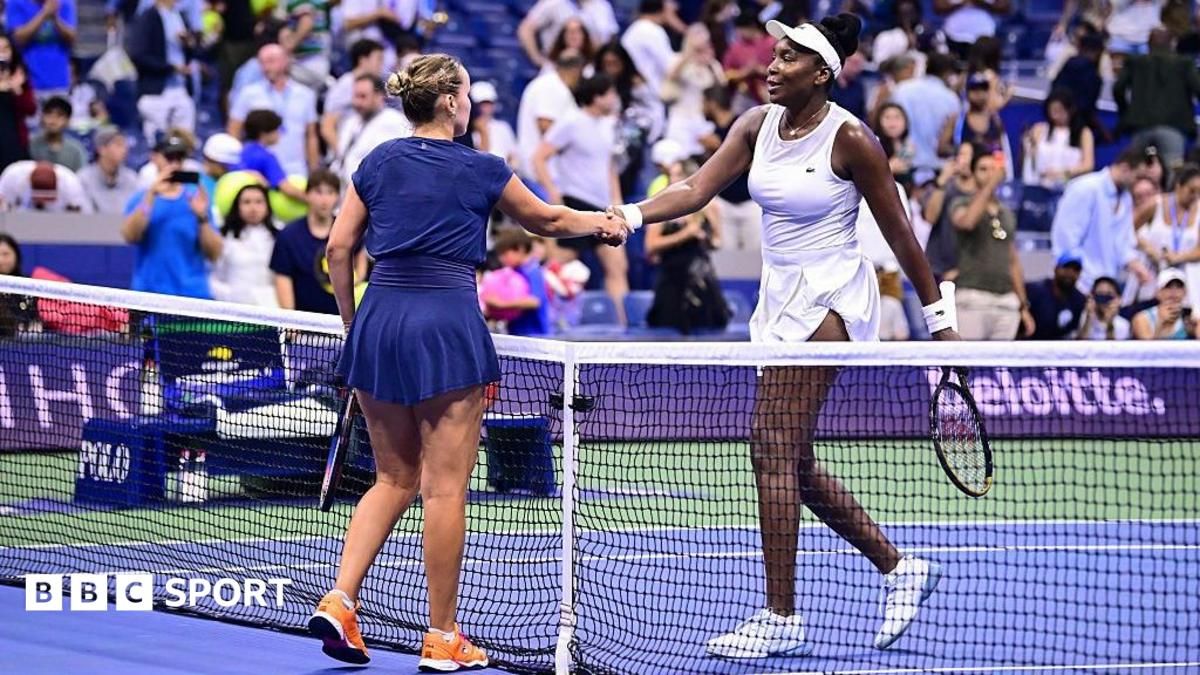
14 days agoRecent scheduling issues at tennis Grand Slam events have sparked significant debate, particularly regarding late-night matches. A notable instance occurred at the US Open when Venus Williams, awarded a wildcard, was scheduled to play against Sofia Kenin on Sunday night. However, the match did not commence until just after midnight on Monday, concluding shortly after 2am, prompting Williams to express dissatisfaction with the timing.
The late-night scheduling is not an isolated incident but part of a broader trend at three of the four Grand Slam tournaments—Australian Open, Roland Garros, and the US Open—where matches are divided into day and night sessions. This arrangement allows tournament organizers to maximize ticket sales by offering two sessions for the same seating, with night-session tickets typically priced higher due to their appeal to spectators after work hours.
Financial incentives play a significant role in this scheduling strategy. The US Open's lucrative broadcasting rights deal with ESPN, valued at $2.04 billion through 2037, underscores the financial motivations behind night matches. Higher advertising rates during prime time contribute to the appeal, as late-night viewership aligns with popular television programming in the US.
In contrast, Wimbledon maintains a different approach, with matches scheduled to start at 11am and conclude by 11pm, even if unfinished matches must resume the following day. This policy reflects a commitment to player welfare, which has come under scrutiny as more athletes voice concerns about the impact of late-night matches on their performance and recovery.
This article is brought to you by the LiveBallVIP Team — live scores, streams and football news on LiveBallVIP.